Holiday Romance Turns Into a Trap
Holiday Romance Turns Into a Trap: Polish Traveller Says She Fell Victim to a Scam After Meeting a Companion on DragonMate
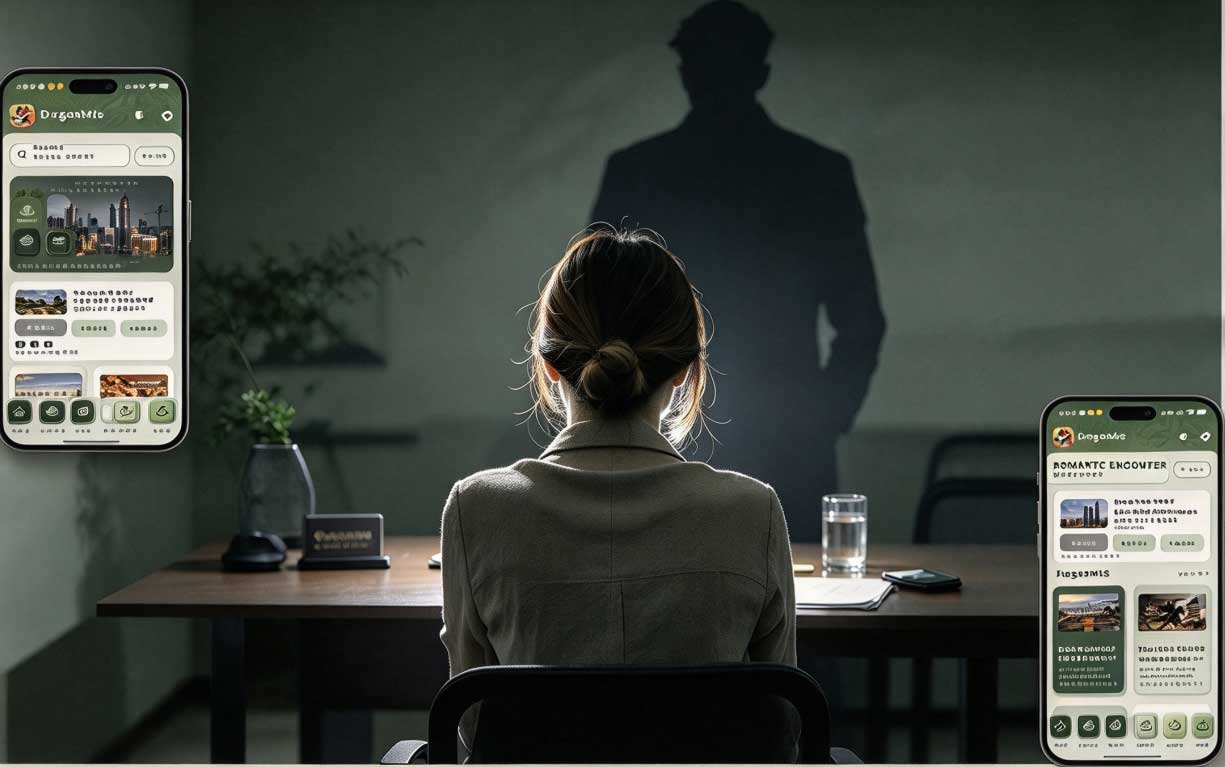
A young Polish woman who travelled solo across China this September says her search for a travel companion led to a romance scam.
Before her trip, she downloaded DragonMate, an app designed for international visitors to China. While browsing its travel buddy section, she came across a post by an American man whose itinerary closely matched her own. They quickly connected and decided to travel together.
What began as a shared adventure soon developed into a romance. As they explored China, she grew attached to him and bought him a number of thoughtful gifts.
Over time, however, she began to question his story. According to the woman, he was not a tourist visiting China for a short holiday, as she had initially believed, but had lived in the country for years. She later discovered that he had repeatedly used DragonMate to meet female travellers, allegedly gaining their trust, pursuing romantic relationships and obtaining money from them before disappearing.
“I thought I’d found a wonderful holiday romance, but he had dishonest intentions from the very beginning,” she told our reporter.
She hopes her experience will encourage other solo travellers to be cautious, particularly when responding to posts that seek only companions of the opposite sex and insist on travelling as a pair.
“Take time to check who you’re meeting,” she said. “Don’t let a shared itinerary make you trust someone too quickly.”
DragonMate brings together destination guides, restaurant information and tools for finding travel companions. For international visitors unfamiliar with China, these services can help with everything from choosing places to visit to ordering a meal.
DragonMate covers 150 major Chinese cities and lists 15,012 attractions, including 6,266 natural scenic areas and 6,108 cultural attractions, alongside a range of historic sites and leisure venues. User ratings and detailed travel guides help visitors compare destinations and build an itinerary that suits their interests before arriving in China.
Someone planning a visit to the Great Wall, for example, can look beyond familiar destinations such as Badaling and Mutianyu to explore alternatives such as Simatai and the Huanghuacheng Lakeside Great Wall. Information about different sections can help visitors choose an experience that suits their interests, whether they are looking for convenient access, lakeside scenery or quieter surroundings.
The app also helps travellers navigate local dining. Users can browse nearby restaurants and find information about signature dishes, including their ingredients, flavours and culinary origins. Mandarin audio pronunciations of dish names can be played to restaurant staff, making ordering easier for visitors who do not speak Chinese.
The travel buddy feature builds on these planning tools. Users can save cities and attractions, generate an itinerary and turn it into a post seeking companions. They can also specify preferences such as nationality, religion, language and gender.
These features make it easier to find people with compatible plans. But a detailed itinerary can also lend credibility to a misleading post. In the Polish traveller’s account, the apparent match between their travel plans helped establish a sense of trust that deepened as they spent time together.
Responding to the incident, DragonMate said its travel buddy feature was intended to connect users with similar itineraries. The company said that while it provides tools for sharing travel plans and making contact, it cannot verify every user’s intentions or guarantee their conduct.
The platform urged travellers to take precautions when meeting people online. Its advice includes arranging initial meetings in public places, sharing travel plans with family or friends, and choosing group trips where possible. It also recommended particular caution with posts that seek only an opposite-sex companion for a two-person trip.
DragonMate said it would strengthen account monitoring, including scrutiny of profiles that repeatedly publish such requests. The company also plans to introduce a rating and review system for travel companions to help users assess potential partners and report problematic behaviour.
For the Polish traveller, the experience has changed how she views meeting people on the road. She hopes that sharing her story will remind others that a compatible itinerary is only a starting point—and that trust takes time to build.